High Content Imaging Assays for Early Discovery Decisions
High Content Imaging (HCI) assays enable detailed evaluation of compound effects directly within cellular systems, providing actionable insight at early stages of discovery. By capturing subcellular and phenotypic responses in a structured, multiplexed format, high-content approaches support confident go / no-go decisions before costly downstream investment.
High Content Imaging as a Screening and Profiling Tool
As a screening strategy, high content imaging extends beyond single-endpoint readouts. It enables simultaneous observation of multiple cellular features within the same sample well, improving hit identification while preserving biological context.
As projects progress into lead optimization, High Content Analysis (HCA) supports deeper profiling in complex cellular systems, helping teams anticipate translational behavior before in vivo studies.
Cell Painting for Morphological Profiling
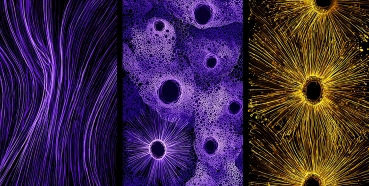
Cell Painting is a multiplexed high content imaging approach that uses combinations of fluorescent dyes to capture rich morphological profiles from individual cells. This method enables broad phenotypic characterization, allowing compound-induced effects to be compared across multiple cellular features in parallel.
By applying Cell Painting within a controlled high-content workflow, subtle but biologically meaningful differences between compounds can be detected, supporting mechanism exploration, clustering, and prioritization strategies.
High Content Screening (HCS)
High Content Screening (HCS) applies high-throughput imaging to cell-based assays, enabling compound evaluation in complex biological systems. Compared to traditional plate-reader HTS, HCS delivers spatial and phenotypic information at the target site while simultaneously revealing potential off-target effects.
Multiplexed approaches, including Cell Painting, allow multiple cellular nodes or pathway responses to be monitored within a single assay, increasing the informational yield of each screening run.
High Content Analysis (HCA)
High Content Analysis is used to characterize and compare lead compounds in disease-relevant cellular models. Through live or fixed-cell imaging, HCA captures phenotypic changes such as morphology, localization, proliferation, and dynamic cellular responses.
These measurements can be visualized and quantified in a unified framework, supporting data-driven prioritization and refinement during lead optimization.
High Content Imaging Assay Development
Effective application of HCI, HCS, and HCA requires more than image acquisition. Assay design, parameter consistency, and output structure are critical to ensuring that imaging data remains interpretable and reproducible across experiments.
When High Content Imaging Is the Right Choice
High content imaging assays are particularly valuable when projects demand biologically rich data, early risk reduction, and informed decision-making. Typical applications include phenotypic screening, mechanism exploration, lead prioritization, and comparative profiling across compound series.